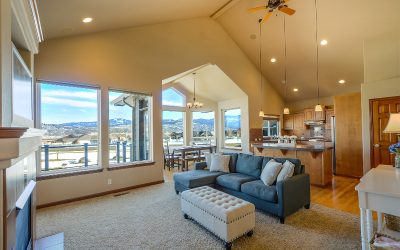
Privacy is one of the most underrated luxuries in a custom home. While many people focus on square footage or finishes, how a home controls sightlines, noise, and visual separation has a major impact on daily comfort. In Seattle, where lots can be tight and neighbors are often close, privacy-driven architecture has become an essential part of modern custom home design.
Privacy planning begins early in the custom home design and build process. This is when decisions are made about window placement, building orientation, setbacks, and how interior spaces relate to one another. Instead of simply placing windows wherever they fit, designers consider what each window looks toward and what it exposes from the outside.
Many examples of this thoughtful approach can be seen throughout Rainier’s custom homes portfolio. Bedrooms are often positioned away from public-facing streets, primary suites may be tucked into quieter corners of the home, and outdoor living spaces are designed with natural screening or strategic walls that create a sense of seclusion without feeling closed in.
Seattle’s unique lot conditions make this type of planning especially important. Sloped sites, narrow parcels, and urban infill projects require creative solutions to maintain privacy while still allowing light and views. That’s why working with experienced Seattle custom home builders is so valuable. They understand how to balance zoning requirements, building codes, and real-world living needs.
Privacy-focused design is also a major reason homeowners choose to remodel. Through Rainier’s renovation and remodeling services, families often reconfigure layouts, add new windows in better locations, remove poorly placed openings, or create new transitions between public and private areas of the home. The results are clear in Rainier’s before-and-after projects, where homes feel calmer, more comfortable, and better suited to everyday life.
Interior privacy matters just as much as exterior privacy. Thoughtful hallway placement, staggered room layouts, and acoustic separation help reduce noise between bedrooms, offices, and shared living spaces. These details allow multiple activities to happen at once without constant disruption.
Great privacy design does not mean hiding from the world. It means controlling what you see and what others see, so your home feels like a retreat rather than a fishbowl.
When privacy is intentionally designed into a home, the result is a space that feels more peaceful, more personal, and far more enjoyable to live in.