The gist:
• Rising heating bills, uneven room temperatures, and drafts around windows or outlets often signal that attic, wall, or crawl space insulation is underperforming.
• Spray foam creates an air seal while providing thermal resistance, setting it apart from batt or blown-in materials in problem areas like rim joists and crawl spaces.
• A qualified spray foam company can inspect hard-to-reach spaces and recommend whether open-cell or closed-cell foam fits a specific project.
A home that feels drafty in winter, has rooms that never seem to hold a consistent temperature, or shows a steady climb in utility bills is often signaling that its insulation has aged out or was never adequate to begin with. These symptoms tend to show up gradually, which is why many homeowners live with them for years before investigating the cause. Recognizing the pattern early is the first step in deciding whether to have a spray foam company inspect the property.
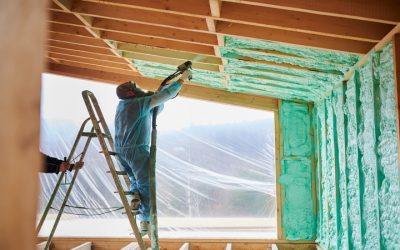
Spray foam differs from fiberglass batts or blown-in cellulose because it expands on application and seals gaps as it cures, rather than simply filling a cavity. Closed-cell spray foam typically delivers an R-value of about 6.0 to 7.0 per inch, compared to 3.0 to 3.7 per inch for standard fiberglass batts, according to a 2026 insulation R-value chart. That higher density also makes closed-cell foam more moisture-resistant, which matters in below-grade spaces like basements and crawl spaces.
Physical Warning Signs Inside the Home
Several indoor clues point to insulation that is no longer doing its job effectively.
• Cold or damp spots on interior walls and ceilings, even when the furnace is running normally
• Noticeable temperature swings between upstairs and downstairs or between rooms on the same floor
• Pipes that freeze or feel unusually cold during Wisconsin’s harsher winter stretches
• Pest activity in attics or wall cavities, which often indicates gaps large enough for insects or rodents to enter
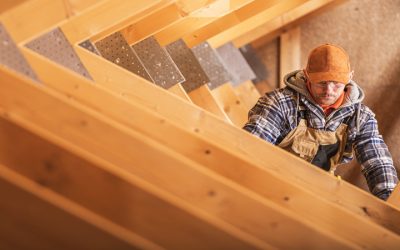
• Visible gaps, sagging, or compressed material when an attic or crawl space is inspected directly
According to Consumer Reports’ 2025 home insulation guide, warning signs that insulation needs an upgrade include high energy bills, varying temperatures across rooms, frozen pipes, pest problems, and ice dams on the lower portion of a roof. Ice damming is common in Madison, WI, where heavy snow loads sit on rooftops for extended periods each winter, and heat escaping through an under-insulated attic is often the root cause.
Why Air Sealing Matters as Much as R-Value
A house can technically meet a recommended R-value and still leak air through unsealed seams, electrical penetrations, or rim joists. Spray polyurethane foam expands to fill these irregular gaps, acting as both insulation and an air barrier in a single application, a distinction worth understanding before comparing bids. This dual function is one reason spray foam is often specified for rim joists, cathedral ceilings with limited cavity depth, and crawl spaces where moisture control is also a concern.
| Insulation Type | Approx. R-Value per Inch | Acts as Air Barrier | Typical Use |
| Fiberglass Batt | R-3.0 to R-3.7 | No | Standard wall and attic cavities |
| Open-Cell Spray Foam | R-3.5 to R-3.8 | Yes | Interior walls, attics |
| Closed-Cell Spray Foam | R-6.0 to R-7.0 | Yes | Rim joists, basements, crawl spaces |
When to Schedule a Professional Assessment
Not every insulation concern requires a full spray foam retrofit, but a few situations make a professional inspection worth scheduling sooner rather than later.
1. The home was built before the 1990s and has never had an insulation upgrade or energy audit.
2. A recent remodel exposed wall cavities, rim joists, or an unfinished attic with little or no insulation.
3. Energy bills have risen noticeably over two or more consecutive winters without a change in usage habits.
4. Moisture or a mild mold odor is present in a crawl space or basement, suggesting problems with both insulation and the vapor barrier.
Frequently Asked Questions
How long does spray foam insulation take to install in an average attic? Timing depends on the square footage and whether prep work, such as clearing debris or sealing electrical penetrations, is needed first, but many residential attic jobs are completed in a single day.
Is open-cell or closed-cell foam better for a Wisconsin basement? Closed-cell foam is generally preferred for below-grade areas because it resists moisture better and has a higher R-value per inch, which matters in a climate with cold, damp winters.
Can you add spray foam over existing insulation? In most cases, old or damaged insulation should be removed first so the spray foam can bond directly to the surface and seal gaps properly, rather than layering over degraded material.
Does spray foam insulation reduce outside noise? Closed-cell and open-cell foam both add some soundproofing value compared to no insulation, though dedicated acoustic products may perform better for noise-specific goals.
A home showing two or more of the warning signs described above is a reasonable candidate for a professional insulation inspection. Homeowners in Madison, WI, considering next steps can review contractor credentials and ask for a site-specific recommendation before committing to a particular insulation type.
Foamtech LLC, a Wisconsin-based insulation contractor, serves property owners across Madison, WI, with spray foam, blown-in, and related insulation projects. Confirming licensing and reviewing a contractor’s experience with similar home types in the area is a reasonable step before any insulation work begins, regardless of which company is contacted.